
SOCKS4 Proxy Protocol: What You Need to Know in 2026
The world of proxy protocols has evolved significantly since the early days of internet connectivity, yet understanding legacy protocols remains crucial for anyone working with network infrastructure. SOCKS4, one of the earliest versions of the SOCKS protocol family, laid the groundwork for how proxies route traffic between clients and servers. While newer versions have since addressed many of its limitations, this protocol continues to appear in various networking contexts, making it essential knowledge for businesses leveraging proxy services for web scraping and data collection operations.
Understanding the SOCKS4 Protocol Foundation
SOCKS4 represents the fourth iteration of the Socket Secure protocol, designed to facilitate communication between client applications and external servers through an intermediary proxy server. The SOCKS Protocol Version 4 specification details its core architecture and operational principles.
This protocol operates at the session layer of the OSI model, providing a framework for TCP-based connections. Unlike application-layer proxies that understand specific protocols like HTTP or FTP, SOCKS4 works at a lower level, making it protocol-agnostic for TCP traffic.
Key Characteristics and Functionality
The fundamental design of SOCKS4 focuses on simplicity and basic proxy functionality. Here's what defines this protocol:
- TCP-only support for connection routing
- IPv4 address compatibility exclusively
- No authentication mechanisms in the base protocol
- Simple request-response architecture
- Minimal overhead for basic proxy operations
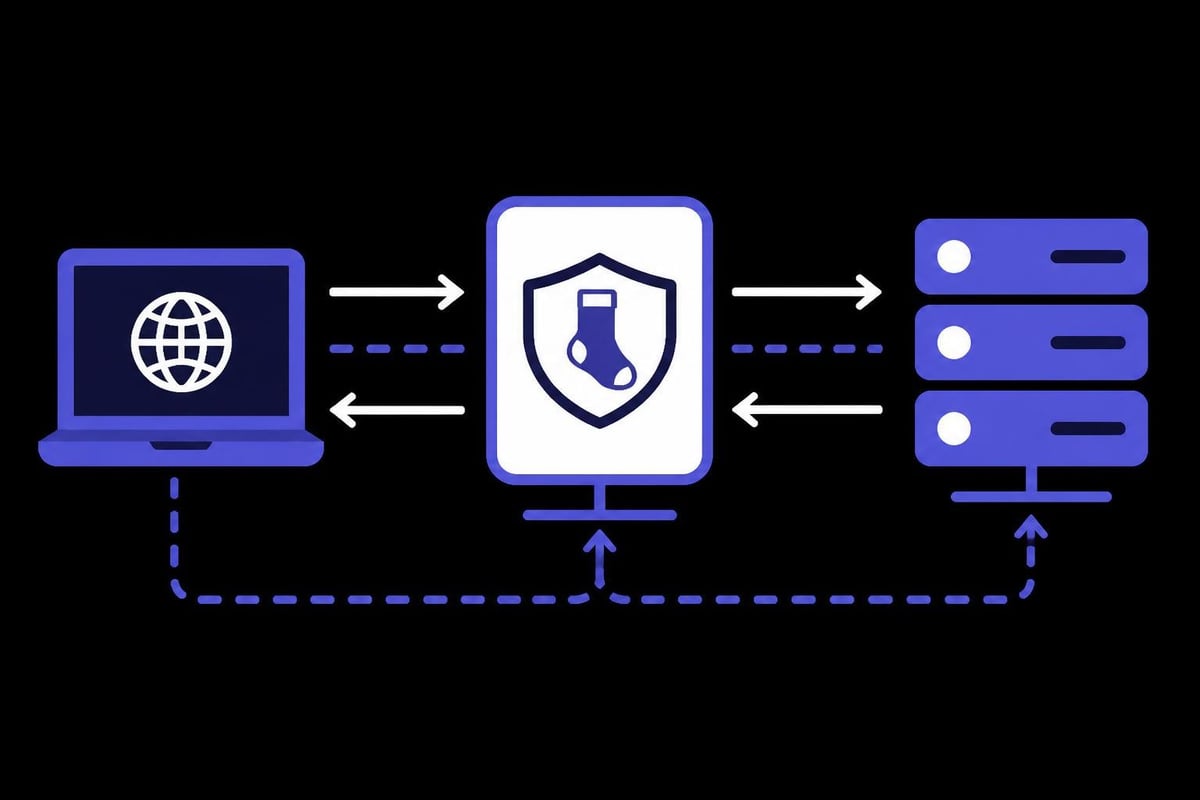
When a client wants to connect through a SOCKS4 proxy, it sends a connection request containing the destination IP address and port number. The proxy server then establishes the connection on behalf of the client, creating a relay between the two endpoints.
Technical Architecture and Operation
The SOCKS4 protocol follows a straightforward operational model that distinguishes it from more complex proxy implementations. According to resources explaining SOCKS4 proxy functionality, the protocol uses a simple binary format for communication between clients and proxy servers.
Connection Establishment Process
The connection sequence involves several distinct steps:
- Client initiates a TCP connection to the SOCKS4 proxy server
- Request packet sent containing version number, command code, destination port, and IP address
- Proxy validates the request and attempts to establish the connection
- Response packet returned indicating success or failure
- Data relay begins if connection succeeds, with the proxy forwarding traffic bidirectionally
This streamlined approach minimizes latency for basic TCP connections, though it sacrifices advanced features found in later protocol versions.
Protocol Packet Structure
Understanding the packet format helps clarify how SOCKS4 operates at a technical level. The request packet contains specific fields that the proxy server interprets:
| Field | Size (bytes) | Description |
|---|---|---|
| Version | 1 | SOCKS version (4 for SOCKS4) |
| Command | 1 | Connection type (1 for CONNECT, 2 for BIND) |
| Destination Port | 2 | Target port number |
| Destination IP | 4 | IPv4 address of destination |
| User ID | Variable | Null-terminated identification string |
The response packet similarly contains version, status code, and connection details that inform the client whether the proxy successfully established the requested connection.
Comparing SOCKS4 with Modern Alternatives
While SOCKS4 served its purpose during its era, the protocol landscape has evolved substantially. Resources detailing SOCKS4 limitations highlight several critical gaps that newer versions address.
SOCKS4 versus SOCKS5
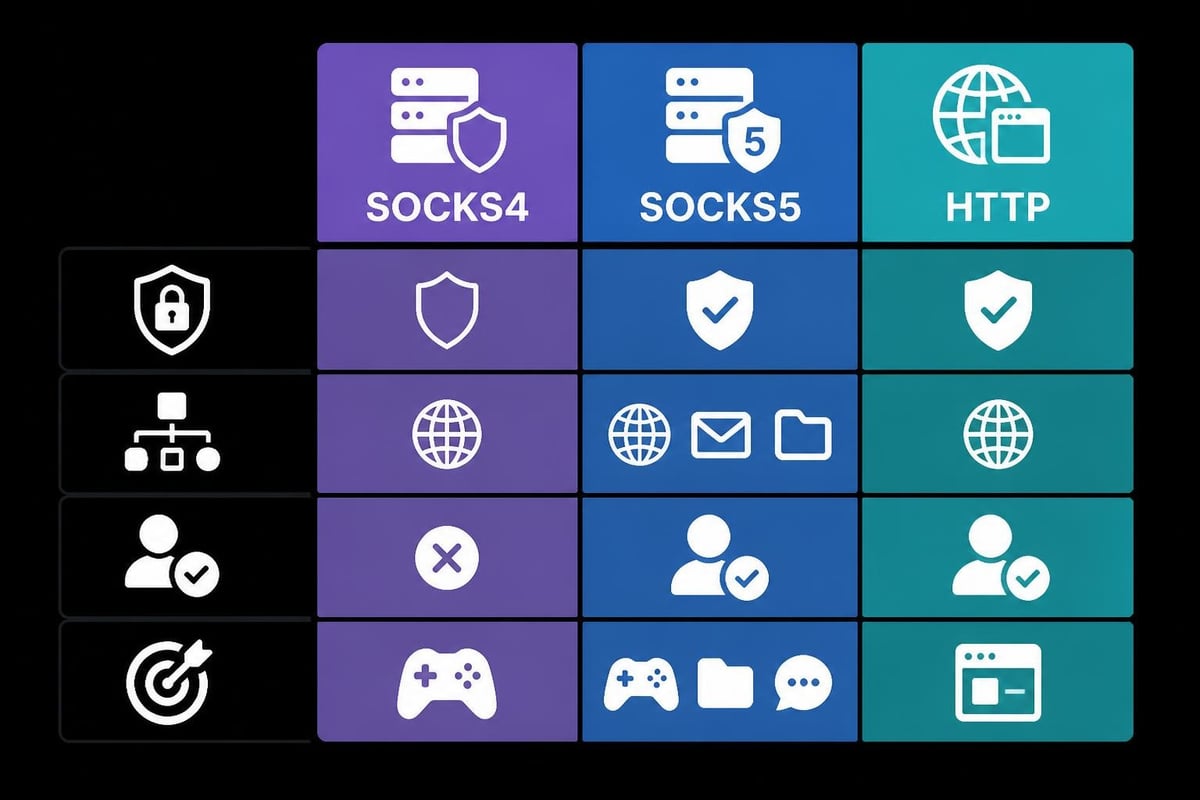
The transition from SOCKS4 to SOCKS5 brought substantial improvements:
SOCKS5 advantages:
- IPv6 protocol support
- UDP traffic handling
- Authentication framework
- Domain name resolution
- Enhanced security options
SOCKS4 constraints:
- IPv4 addresses only
- TCP connections exclusively
- No built-in authentication
- Client-side DNS resolution required
- Limited error handling
For businesses running data collection operations, these differences significantly impact functionality and security posture.
HTTP Proxies and SOCKS4
The comparison between HTTP proxies and SOCKS4 reveals different use case optimizations:
| Feature | SOCKS4 | HTTP Proxy |
|---|---|---|
| Protocol Layer | Session | Application |
| Supported Protocols | TCP only | HTTP/HTTPS |
| Traffic Understanding | Protocol-agnostic | HTTP-aware |
| Header Manipulation | Not possible | Full control |
| Performance Overhead | Lower | Higher |
| Use Case Specialization | General TCP | Web traffic |
Organizations focused on e-commerce monitoring typically benefit from HTTP proxies, while SOCKS4 suits applications requiring basic TCP routing without protocol-specific features.
Security Considerations and Vulnerabilities
Security represents one of the most significant concerns with SOCKS4 implementations. The security analysis of SOCKS Version 4 identifies multiple vulnerabilities inherent to the protocol's design.
Authentication Limitations
The absence of robust authentication mechanisms creates substantial security gaps. SOCKS4 relies solely on optional user ID strings that travel unencrypted across the network. This approach provides minimal protection against:
- Unauthorized proxy access
- Traffic interception
- Man-in-the-middle attacks
- Connection hijacking
- Identity spoofing
Research on vulnerabilities in free proxy services demonstrates how outdated protocols like SOCKS4 expose users to significant risks when security features are inadequate.
Encryption and Privacy Issues
SOCKS4 transmits all data without encryption, leaving traffic vulnerable to inspection and modification. The technical breakdown of SOCKS4 emphasizes that the protocol itself provides no confidentiality mechanisms.
Privacy implications include:
- Cleartext transmission of credentials
- Visible destination information
- Observable traffic patterns
- No protection against packet sniffing
- Exposed application data
Organizations handling sensitive information through web scraping projects must implement additional security layers when SOCKS4 proxies are involved.
Practical Applications and Use Cases
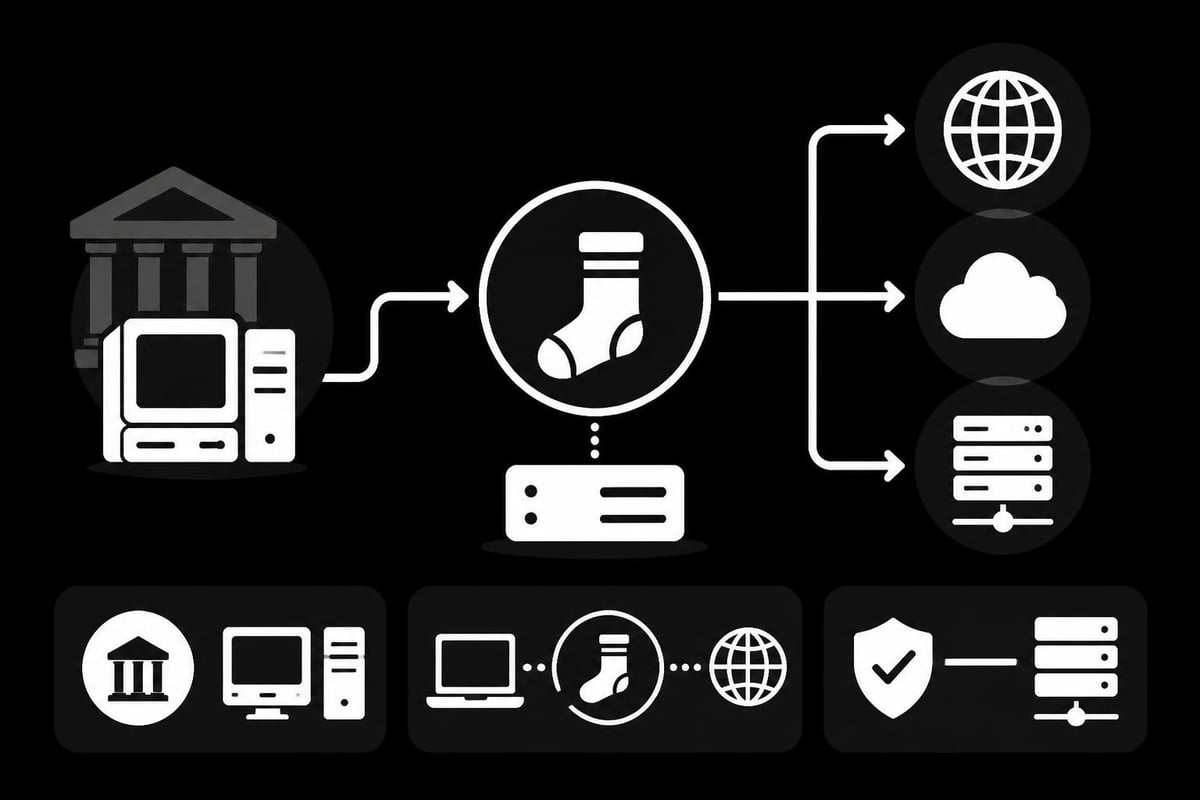
Despite its limitations, SOCKS4 maintains relevance in specific scenarios where its characteristics align with operational requirements. Understanding when this protocol makes sense helps optimize proxy infrastructure decisions.
Legacy System Compatibility
Older applications and systems sometimes require SOCKS4 support due to:
- Hardcoded protocol versions in legacy software
- Compatibility requirements with older network infrastructure
- Minimal resource consumption on constrained systems
- Simple implementation needs without advanced features
- Backward compatibility mandates in enterprise environments
Low-Overhead TCP Routing
Situations demanding minimal proxy overhead benefit from SOCKS4's streamlined design. Applications that handle their own security and simply need TCP relay functionality can leverage SOCKS4 without the additional complexity of more feature-rich protocols.
For instance, certain gaming applications that implement their own encryption might use SOCKS4 for basic network routing while managing security at the application layer.
Configuration and Implementation Best Practices
Successfully deploying SOCKS4 proxies requires attention to configuration details and security supplementation. While the protocol itself has limitations, proper implementation minimizes risks.
Client Configuration Essentials
Setting up applications to use SOCKS4 proxies involves several key parameters:
- Proxy server address (IPv4 format)
- Port number (typically 1080, though configurable)
- User ID string (if required by proxy server)
- Connection timeout values
- DNS resolution handling (client-side for SOCKS4)
Many modern applications support multiple proxy protocols, requiring explicit SOCKS4 selection rather than automatic protocol negotiation.
Server-Side Considerations
Administrators deploying SOCKS4 proxy servers should implement compensating controls:
Security enhancements:
- IP-based access control lists
- Network segmentation and isolation
- Traffic monitoring and logging
- Rate limiting and connection throttling
- Firewall rules restricting proxy access
Operational optimizations:
- Connection pooling for efficiency
- Resource allocation per client
- Timeout management
- Error handling and recovery
- Performance monitoring
When building infrastructure for SERP monitoring or similar operations, these considerations ensure reliable proxy performance.
Migration Paths and Modern Alternatives
Organizations currently using SOCKS4 should evaluate migration strategies to more secure and capable protocols. The transition process requires planning but delivers substantial benefits.
Upgrading to SOCKS5
The most natural migration path involves upgrading to SOCKS5, which maintains backward compatibility concepts while adding crucial features. This transition provides:
- Enhanced security through authentication methods
- IPv6 support for modern networking
- UDP protocol handling capabilities
- Domain name resolution at the proxy level
- Improved error reporting
Businesses leveraging rotating proxy infrastructure particularly benefit from SOCKS5's advanced features.
Hybrid Deployment Strategies
Rather than complete replacement, hybrid approaches allow gradual migration:
| Strategy | Benefits | Considerations |
|---|---|---|
| Protocol selection by application | Targeted upgrades | Complex configuration |
| Dual-stack proxy servers | Smooth transition | Increased maintenance |
| Segmented network zones | Risk isolation | Network complexity |
| Time-based migration phases | Controlled rollout | Extended timeline |
Embracing Modern Proxy Solutions
For organizations starting fresh proxy deployments, modern solutions offer comprehensive capabilities beyond SOCKS4's scope. Professional proxy services provide advanced features like:
- Protocol flexibility with automatic selection
- Built-in security and encryption
- Geographic distribution and targeting
- Performance optimization and caching
- Comprehensive monitoring and analytics
These platforms eliminate the need to manage protocol-level details while delivering superior performance for talent intelligence and other data-driven use cases.
Performance Characteristics and Optimization
Understanding SOCKS4's performance profile helps set appropriate expectations and identify optimization opportunities within its constraints.
Latency and Throughput Factors
Several elements influence SOCKS4 proxy performance:
- Connection establishment overhead - Initial handshake adds minimal latency
- Protocol simplicity - Lightweight design reduces processing requirements
- Network topology - Proxy location relative to client and destination impacts speed
- Server capacity - Hardware resources limit concurrent connection handling
- Bandwidth availability - Network constraints affect data transfer rates
For travel aggregation projects requiring rapid data collection, these factors combine to determine overall system throughput.
Optimization Techniques
Maximizing SOCKS4 proxy performance involves several approaches:
- Connection pooling - Reuse established connections for multiple requests
- Geographic optimization - Select proxies near destination servers
- Load balancing - Distribute traffic across multiple proxy instances
- Resource allocation - Dedicate sufficient CPU and memory to proxy processes
- Network tuning - Optimize TCP parameters for proxy traffic patterns
Organizations operating large-scale scraping operations should implement these optimizations to maximize data collection efficiency.
Troubleshooting Common SOCKS4 Issues
Practical deployment experience reveals recurring challenges when working with SOCKS4 proxies. Recognizing these patterns accelerates problem resolution.
Connection Failures
When SOCKS4 connections fail, systematic diagnosis identifies root causes:
Common failure modes:
- Incorrect proxy server address or port
- Firewall blocking proxy traffic
- Proxy server unavailable or overloaded
- Destination server rejecting connections
- Client application misconfiguration
Diagnostic approaches:
- Network connectivity testing to proxy
- Proxy server log examination
- Packet capture and analysis
- Alternative destination testing
- Protocol version verification
Performance Degradation
Slow SOCKS4 proxy connections warrant investigation into specific bottlenecks:
| Symptom | Potential Cause | Resolution |
|---|---|---|
| High latency | Geographic distance | Select closer proxies |
| Slow throughput | Bandwidth constraints | Upgrade network capacity |
| Intermittent delays | Server overload | Add proxy capacity |
| Connection drops | Timeout mismatches | Adjust timeout values |
| Slow DNS | Client-side resolution | Optimize DNS configuration |
Platforms offering unlimited proxy access help avoid capacity-related performance issues.
The Future of SOCKS4 in Modern Networks
As networking technology continues evolving, SOCKS4's role shifts from primary protocol to specialized use case solution. Understanding this trajectory helps inform long-term infrastructure decisions.
Declining Relevance
Several trends reduce SOCKS4's importance in contemporary networks:
- Security requirements mandating authenticated and encrypted connections
- IPv6 adoption necessitating protocol support beyond SOCKS4's capabilities
- Application complexity requiring features SOCKS4 cannot provide
- Compliance standards demanding security controls absent in SOCKS4
- Cloud infrastructure optimized for modern proxy protocols
Persistent Niche Applications
Despite declining mainstream use, SOCKS4 retains value in specific contexts:
- Embedded systems with limited resources
- Legacy application support requirements
- Educational environments teaching proxy fundamentals
- Testing scenarios requiring basic TCP proxying
- Situations where simplicity trumps advanced features
Organizations maintaining diverse proxy infrastructure may support SOCKS4 alongside modern protocols for maximum compatibility.
Industry Evolution
The proxy service industry has largely moved beyond SOCKS4 as a primary offering. Modern providers focus on:
- SOCKS5 with full authentication and encryption
- HTTP/HTTPS proxies optimized for web traffic
- Residential and mobile IP pools
- Intelligent rotation and targeting
- API-driven proxy management
Professional services catering to ad verification and similar applications prioritize these advanced capabilities over legacy protocol support.
While SOCKS4 served as an important foundation for proxy technology, its limitations make it unsuitable for most modern applications requiring security, flexibility, and comprehensive protocol support. Understanding this legacy protocol provides valuable context for appreciating contemporary proxy capabilities. PinguProxy delivers next-generation proxy solutions with complete IPv4 and IPv6 support, advanced security features, and the performance needed for demanding applications like web scraping and data collection, eliminating the compromises inherent in outdated protocols while providing 24/7 support to ensure your operations run smoothly.